
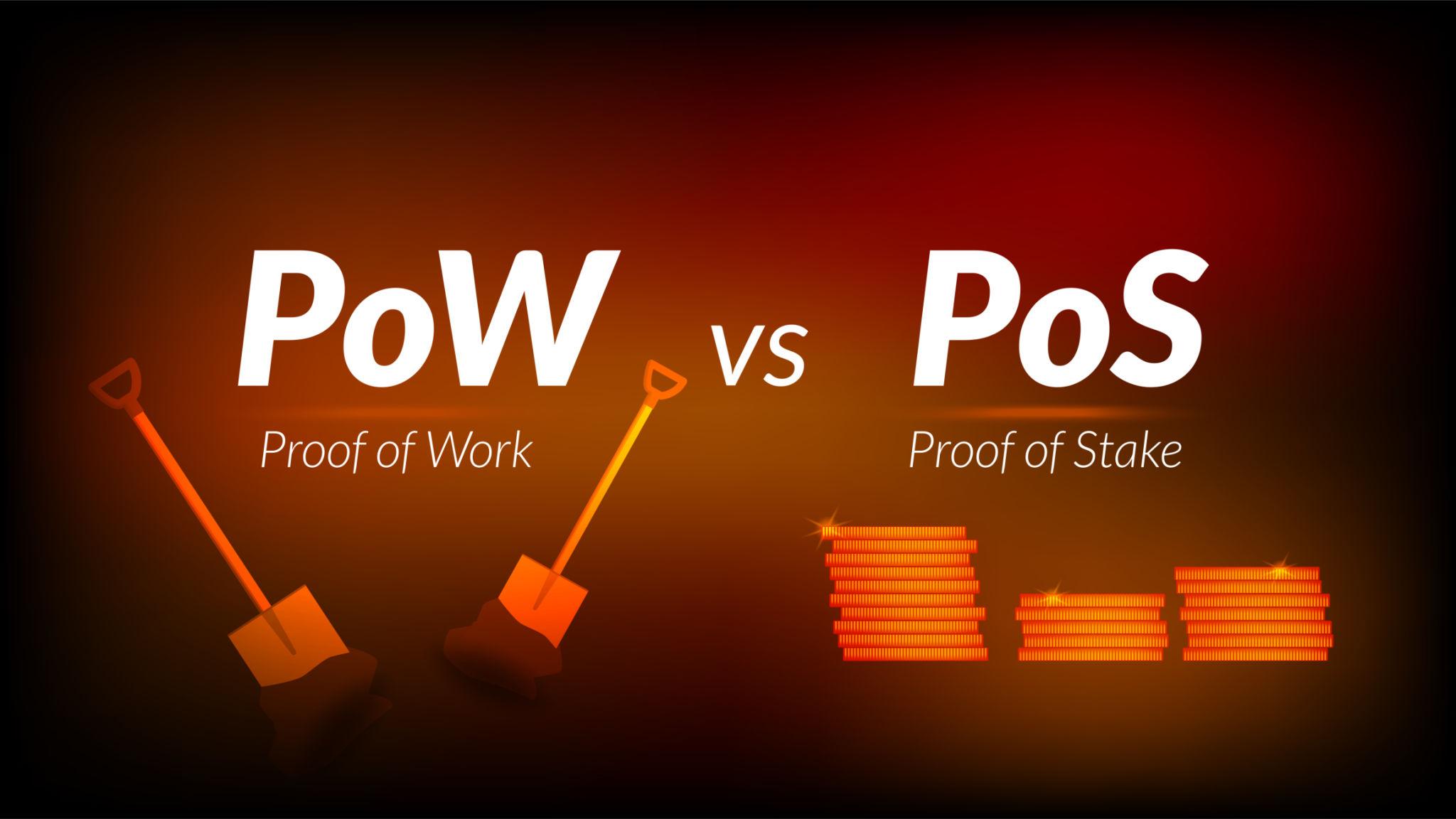
“Security in blockchain is not free — it is earned, either through work or through stake.”
Blockchain networks need a way to agree on transactions. This agreement mechanism is called consensus. Two of the most important consensus systems are Proof of Work (PoW) and Proof of Stake (PoS).
Both secure blockchains.
Both have strengths and trade-offs.
But which one secures the future?
Let’s explore beautifully and clearly.
What Is Proof of Work (PoW)?
Proof of Work is the original blockchain consensus mechanism used by Bitcoin.
🔹 How It Works:
- Miners compete to solve complex mathematical puzzles.
- The first miner to solve it adds the block.
- They earn rewards in cryptocurrency.
- The process requires high computational power and electricity.
🔹 Core Idea:
Security comes from computational effort.
PoW converts electricity into digital trust.
What Is Proof of Stake (PoS)?
Proof of Stake is a newer consensus mechanism used by networks like Ethereum (after The Merge).
🔹 How It Works:
- Validators lock (stake) coins as collateral.
- The system randomly selects validators to create blocks.
- If validators act dishonestly, they lose part of their stake.
- Rewards are distributed for honest participation.
🔹 Core Idea:
Security comes from economic commitment.
PoS converts ownership into responsibility.
Technical Comparison
| Feature | Proof of Work (PoW) | Proof of Stake (PoS) |
|---|---|---|
| Security Source | Computational power | Economic stake |
| Energy Usage | High | Very low |
| Hardware Needed | ASIC mining rigs | Basic servers |
| Entry Barrier | Expensive equipment | Requires token ownership |
| Attack Cost | Requires 51% hash power | Requires majority stake |
| Speed | Slower | Faster |
| Scalability | Limited | More scalable |
| Environmental Impact | Significant | Minimal |
Why PoW Is Powerful
🔹 Proven Security
Bitcoin has operated securely for over a decade using PoW.
🔹 Decentralized Mining
Anyone with hardware can participate (though large mining farms dominate).
🔹 Extremely Secure
To attack PoW networks, you must control massive computational resources.
🔹 Ideal For:
- Store-of-value systems
- Maximum censorship resistance
However:
PoW consumes significant electricity, which raises environmental concerns.
Why PoS Is Gaining Popularity
🔹 Energy Efficient
PoS reduces energy consumption dramatically (Ethereum reduced over 99% after switching).
🔹 Faster Transactions
Block creation is quicker and more scalable.
🔹 Lower Hardware Costs
No need for expensive mining machines.
🔹 Ideal For:
- Smart contract platforms
- DeFi ecosystems
- NFT platforms
- Web3 applications
But:
Some critics argue wealth concentration could centralize validation power.
Security Model Differences
PoW Security Model:
- Attack requires enormous electricity and hardware.
- Physical-world resource commitment.
PoS Security Model:
- Attack requires purchasing large token supply.
- Financial risk discourages malicious behavior.
Both models make attacks expensive — but in different ways.
Which One Secures the Future?
It depends on what “future” means.
If the future prioritizes:
- Maximum decentralization
- Battle-tested reliability
- Digital gold narrative
PoW remains powerful.
If the future prioritizes:
- Scalability
- Sustainability
- Smart contract ecosystems
- Environmental responsibility
PoS appears more adaptable.
Real-World Direction in 2025
In 2025:
- Bitcoin continues using PoW as a store of value.
- Ethereum and many modern chains use PoS.
- Hybrid models are emerging.
- Energy-efficient solutions dominate new blockchain launches.
The industry is not choosing one over the other — it is diversifying.
Philosophical Difference
PoW believes:
“Work proves honesty.”
PoS believes:
“Stake proves responsibility.”
Both are valid security philosophies.
Opinion
“The future may not belong to PoW or PoS alone — it belongs to systems that balance security, scalability, and sustainability.”
Proof of Work built the foundation of blockchain trust.
Proof of Stake is shaping the next generation of decentralized ecosystems.
The real winner?
The technology that adapts best to global needs.
And blockchain, in all its forms, is still evolving.