
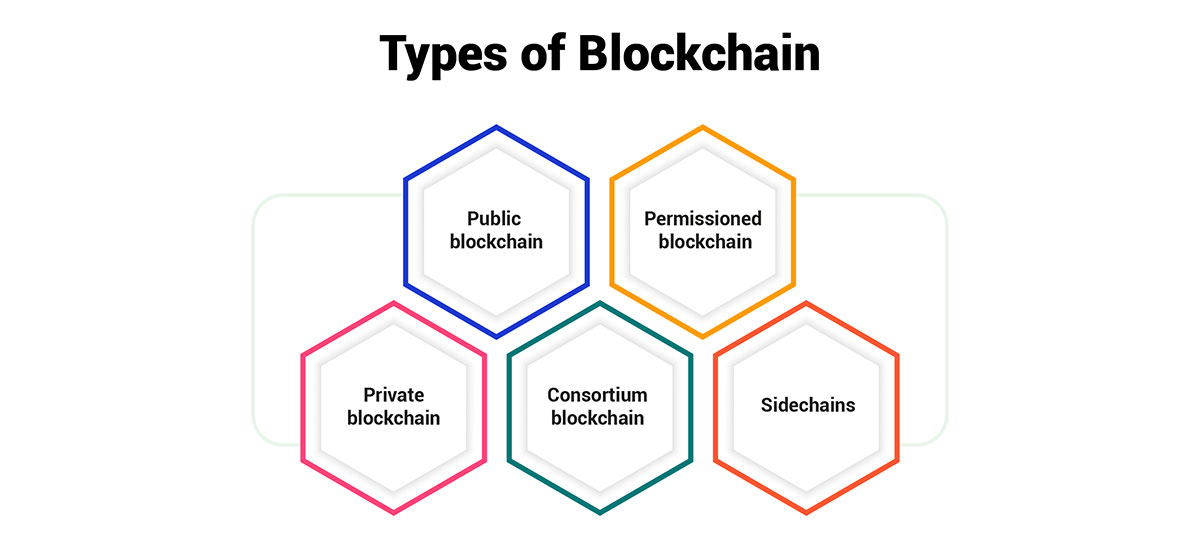
Blockchain has become one of the most revolutionary technologies in today’s world. Many people think it’s only about cryptocurrencies like Bitcoin or Beldex, but the truth is—it’s much bigger than that. Blockchain is about trust, transparency, and empowerment.
If we understand the types of blockchain, we can see how it impacts not only businesses but also individuals like you and me.
🔹 1. Public Blockchain – Open for Everyone
- What it is: Anyone can join, view, or participate. It’s 100% transparent.
- Example: Bitcoin, Ethereum, Beldex.
- Benefit: No single authority controls it. It’s like a digital democracy.
- Opinion: This is the purest form of blockchain, giving power back to people.
👉 Example: If Neha wants to send money to her family abroad, using a public blockchain like Beldex, she can do it instantly, securely, and without paying high fees to banks.
🔹 2. Private Blockchain – Restricted & Controlled
- What it is: Access is given only to selected people by one organization.
- Example: Hyperledger (used in banks), R3 Corda.
- Benefit: Great for businesses that need privacy.
- Opinion: While this limits decentralization, it adds speed and security for sensitive industries.
👉 Example: A hospital can use a private blockchain to store patient data, keeping it private but still accessible to authorized doctors.
🔹 3. Consortium (Federated) Blockchain – Shared Responsibility
- What it is: Managed by a group of organizations rather than one.
- Example: IBM Food Trust (used for tracking food from farm to table).
- Benefit: Balances decentralization with efficiency.
- Opinion: It’s like a partnership—when many players trust each other, the system becomes more reliable.
👉 Example: In trade finance, multiple banks can use a consortium blockchain to reduce fraud and speed up international payments.
🔹 4. Hybrid Blockchain – Best of Both Worlds
- What it is: Mix of public and private blockchains. Some data is open, while some is private.
- Example: Dragonchain, XinFin.
- Benefit: Flexibility with both transparency and control.
- Opinion: This is perfect for real-world use, where some information should be public (for trust) while other details must stay private.
👉 Example: In real estate, property ownership records can be public for transparency, while private agreements remain secure.
📊 Quick Comparison of Blockchain Types
| Type | Access | Control | Use Cases | Examples |
|---|---|---|---|---|
| Public | Open to all | No single authority | Crypto, voting, open-source | Bitcoin, Ethereum, Beldex |
| Private | Restricted | One organization | Banking, corporate data | Hyperledger, Corda |
| Consortium | Limited (group-based) | Multiple organizations | Supply chain, healthcare | IBM Food Trust |
| Hybrid | Mix of open & restricted | Controlled + public | Smart cities, retail | Dragonchain, XinFin |
🌟 My Opinion
The beauty of blockchain is that it’s not “one-size-fits-all.” Every type has its role:
- Public blockchains empower people.
- Private blockchains secure businesses.
- Consortium blockchains build collaboration.
- Hybrid blockchains balance both.
I believe projects like Beldex (a public blockchain) are creating real change by giving people financial freedom through privacy and staking rewards. On the other hand, private and consortium blockchains are already reshaping industries like banking, healthcare, and supply chains.
💡 Final Thought
Think of blockchain like roads:
- Some are public highways (open to everyone).
- Some are private roads (restricted).
- Some are jointly built roads (shared by a group).
- Some are mixed-use smart roads (flexible for different needs).
Each type helps us move forward—toward a transparent, fair, and financially independent future.