
What’s Going On
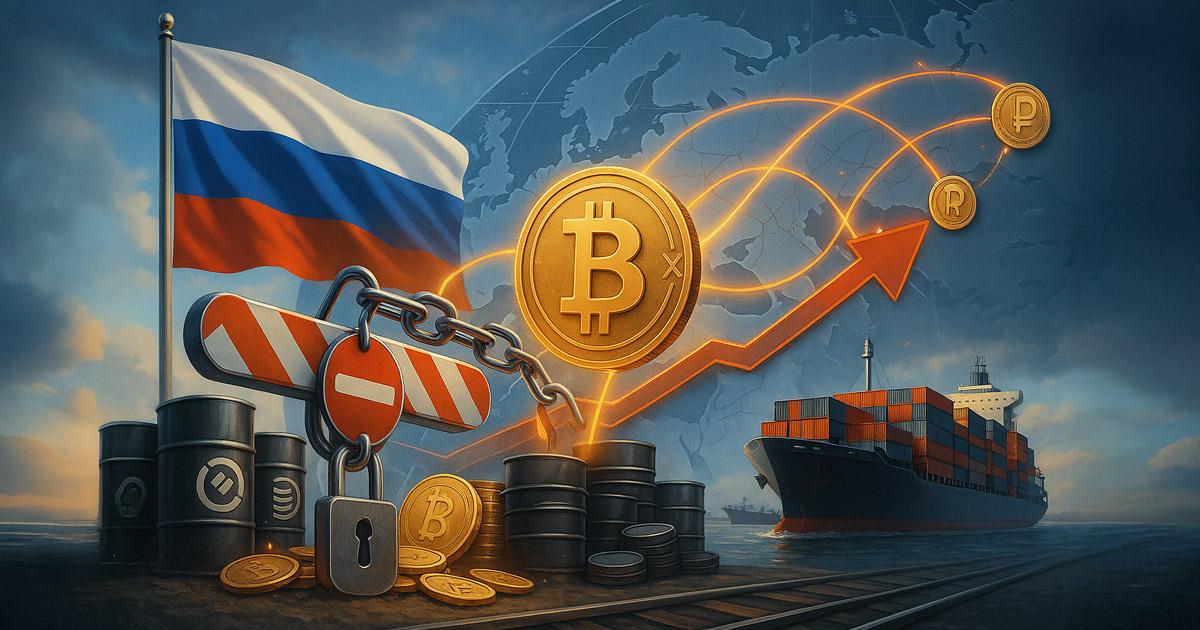
- According to a report by blockchain analytics firm Elliptic, some crypto wallets linked to Russian entities have moved more than USD 8 billion using the stablecoin USDT (Tether) over the past 18 months to get around international sanctions.
- These wallets are tied to a company called A7, which is partly owned by a Russian state‐bank, Promsvyazbank (PSB), which is under US sanctions for its connection to Russia’s defense sector.
- A7 allegedly functions to help Russian firms make cross-border payments despite being restricted by sanctions. In addition to USDT, A7 has begun promoting its own ruble-pegged stablecoin called A7A5 to reduce reliance on Tether.
⚙️ Key Technical & Crypto Terms Explained
| Term | Meaning in Simple Words |
|---|---|
| USDT (Tether) | A “stablecoin”—crypto meant to keep a stable value because it’s tied (“pegged”) to the U.S. dollar. So 1 USDT ≈ $1. |
| Stablecoin | A digital coin designed so its value doesn’t swing wildly (unlike Bitcoin etc.), often backed or pegged to fiat currency. |
| Wallet (Crypto-Wallet) | A digital address or account holding crypto assets. It can send or receive crypto. |
| Sanctions | Punishments by governments, usually to block access to banks or international trade, aimed at people, companies, or countries. |
| Cross-border Payments | Sending money (or value) across countries’ borders. Normal banking channels might be closed off due to sanctions. |
| Pegged Currency | One currency is tied to another in value. E.g. ruble-pegged stablecoin means the coin aims to match value of Russian ruble. |
⚠️ Key Facts & Findings
- Elliptic traced A7’s wallets receiving over USD 8 billion in stablecoin inflows over 18 months.
- A7 is nearly half-owned by a sanctioned Russian bank (PSB), suggesting state-linked entities are involved.
- In response to some USDT freezes (when regulators blocked or froze USDT in certain wallets/exchanges), A7 started promoting its own stablecoin, A7A5, to bypass Tether’s control.
- That new stablecoin has a supply of about USD 496 million, but it has processed an estimated USD 68 billion in transactions.
📊 Table of Players & Their Roles
| Entity | Role / What It Does | Why It Matters |
|---|---|---|
| A7 | Acts as a bridge for Russian entities to send/receive payments via stablecoins (esp. USDT). | Helps bypass sanctions, keeps trade going. |
| Promsvyazbank (PSB) | State-bank under US sanctions. 49% owner of A7. | Its involvement links A7 to sanctioned Russian economy. |
| Elliptic | Blockchain analytics firm “tracing” transactions and wallets. | Provides evidence and data to expose these flows. |
| USDT (Tether) | Stablecoin widely used globally. Can be “frozen” by its issuer under some conditions. | Because of its central control, it has some risk of regulatory action. |
| A7A5 | A7’s own ruble-pegged stablecoin working as backup to USDT. | Shows efforts to avoid dependency on USDT and controls. |
🔓 Implications & What This Means
- Sanctions Evasion: Using stablecoins like USDT allows people or companies to bypass banking restrictions, moving value where traditional banking channels are closed off.
- Centralization vs Decentralization: USDT is issued by a centralized company; this means its control over freezing or blocking wallets is a feature (or liability) depending on perspective. A7’s move to issue a ruble-pegged coin shows the desire to reduce reliance on centralized entities.
- Regulatory Risk: Issuers of stablecoins (like Tether) can be pressured by regulators to freeze wallets or block transactions. Entities that rely on them are vulnerable if those issuers act.
- Transaction Transparency: Because blockchains are public (or at least traceable), firms like Elliptic can track flows—that helps law enforcement or regulators detect unusual or illicit activity.
- Future of Stablecoins: The move by A7 to promote its own stablecoin signals that more such local or regime-friendly stablecoins may appear, which might complicate global regulation.
💭 My Opinion
This case underscores that crypto and stablecoins are double-edged swords: on one hand, they offer financial access and flexibility; on the other, they can be misused to circumvent legal restrictions. Regulation, oversight, and transparency are essential—but so are privacy and innovation. Balancing those will be one of the big challenges ahead.
Where money flows in the shadows, the light of transparency must shine brightest.”
For more :- https://n-k.co.in/blockchain-cybersecurity-building-the-future-of-digital-safety/