
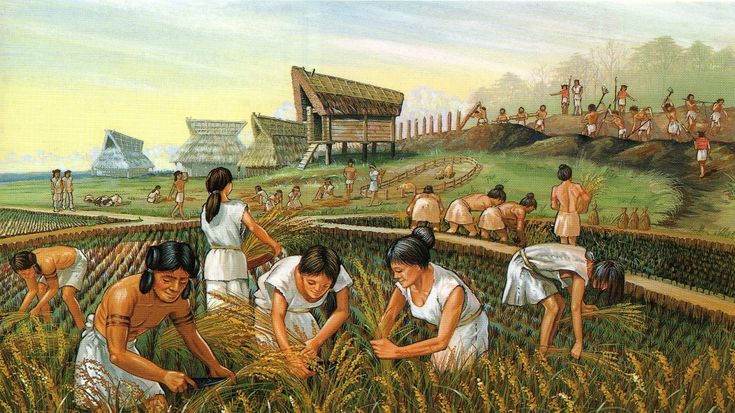
“When we eat what the Earth grows for our land, our body becomes one with its strength.”
🧡 The Beautiful Truth About Millets — India’s Eternal Gift to Human Health

India has always been a land of wisdom, science, and deep respect for nature. Long before nutritionists existed, our ancestors already understood how food interacts with climate, body constitution, and seasonal changes.
Millets were not just food…
They were medicine, energy, and survival for families who lived strong, long, and gracefully.
From farmers who worked under the scorching sun, to hunters who walked miles, to women managing homes with discipline and stamina—millets powered India.
Today, as the world “discovers” superfoods, India simply returns to what we always knew.
🌱 Why Millets Work So Beautifully With Indian Bodies
India is diverse—mountains, deserts, coasts, forests, and plains.
And our ancient people were wise enough to eat according to the climate they lived in.
They knew:
- In hot regions, the body needs cooling grains
- In cold regions, the body needs warming foods
- In rainy seasons, the body needs strong digestive grains
- In harsh working conditions, the body needs long-lasting energy
And millets fulfilled all of these needs naturally.
This is why each Indian state has its own favourite millet — perfectly aligned with the land, weather, lifestyle, and tradition.
🔶 Millets Across India – Climate Wise, Science Wise, Tradition Wise
| Region / State | Popular Millet | Why It Works for the Climate & People |
|---|---|---|
| Rajasthan, Gujarat | Bajra (Pearl Millet) | Keeps body warm in cold deserts, provides stamina for long hard labour |
| Karnataka, Tamil Nadu | Ragi (Finger Millet) | High calcium, perfect for hilly regions and farming communities |
| Maharashtra | Jowar (Sorghum) | Cooling grain ideal for hot, dry climates and field work |
| Andhra, Telangana | Jowar & Foxtail Millet | Light on stomach yet energizing, great for daily heat exposure |
| North India | Multigrain Millet Mix | Balances cold winters and hot summers, supports farming lifestyles |
Our ancestors didn’t choose millets randomly.
Everything was logical, scientific, seasonal, and spiritual.
🔥 Why Ancient Indians Were Stronger Than Us
Because their life depended on:
- Farming
- Hunting
- Walking long distances
- Manual labor
- Managing homes without machines
- Pure, seasonal eating
To survive such physically demanding occupations, the body needed:
✔ Slow-release energy
✔ Strong bones
✔ Powerful digestion
✔ High endurance
✔ Balanced body heat
Millets provided exactly that.
While today’s lifestyle is more sitting, more screens, and more processed food—
our ancestors lived a life that needed real strength, and millets gave it to them.
🌾 Millets and Seasons – The Perfect Natural Alignment
| Millet | Season | How It Supports the Body |
|---|---|---|
| Bajra | Winter | Warms the body, improves metabolism, supports joint strength |
| Jowar | Summer | Cooling grain, improves digestion, keeps body light |
| Ragi | All seasons (best in winter) | Strengthens bones, boosts iron, controls sugar levels |
| Foxtail / Little Millet | Monsoon | Easy to digest, avoids bloating, boosts gut health |
| Multigrain Atta | All seasons | Balanced nutrition for modern lifestyles |
When we eat with seasons,
our body heals faster, stays stronger, and ages slower.
🌟 The Science Behind Ancient Rituals & Food
What we call “tradition” was actually applied science.
- Fasting improved digestion
- Seasonal food aligned with body needs
- Millets prevented diseases naturally
- Rotis, porridges & mudde gave strength for long working hours
- Local food kept immunity strong
Our ancestors were educated in nature’s language,
and millets were their “superfood classroom.”
🧘 Why Every Human Should Eat Millets Today
✔ Supports weight balance
✔ Improves gut health
✔ Regulates blood sugar
✔ Removes heat from the body
✔ Strengthens bones and muscles
✔ Boosts energy without crash
✔ Gluten-free and natural
Millets don’t just feed you — they restore you.
💬 My Opinion
Millets are not a trend; they are our identity.
We are not “shifting to millets”—
we are simply returning to the food that shaped some of the strongest generations India has ever seen.
In my view, every family should include 2–3 millet meals a week:
Jowar in summer, Bajra in winter, Ragi throughout the year.
Millets are more than nutrition—
they are heritage, strength, and a gift we must keep alive.